Clean Seas 2026: Insights and Updates
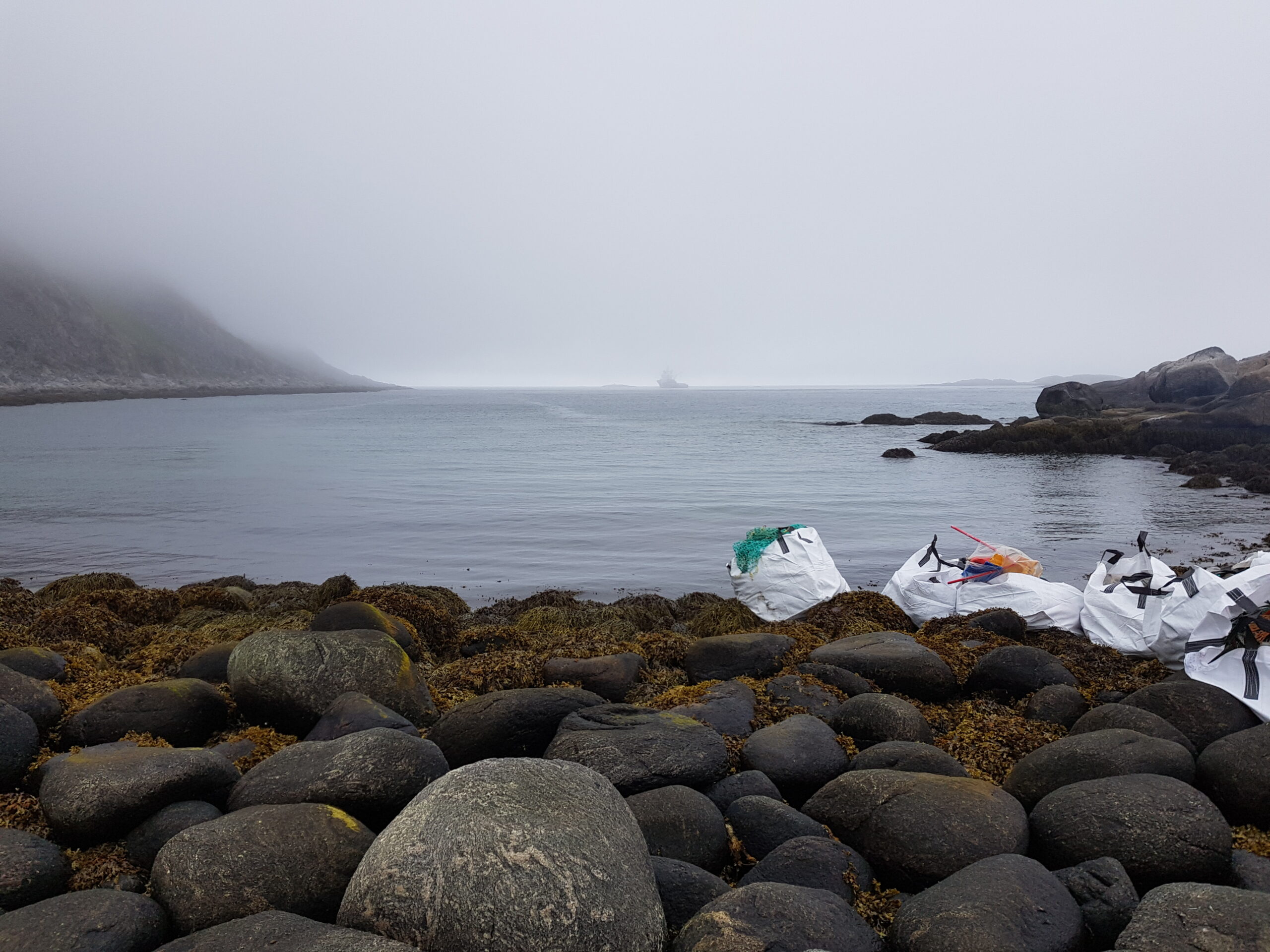
For more than two decades, AECO members have led shoreline cleanups across the Arctic through the Clean Seas program.
To date, members have removed over 20 tons of marine litter from remote coastlines and engaged more than 8,200 cruise guests in cleanup activities.
Beyond these tangible results, Clean Seas has played an important role in strengthening environmental awareness and collaboration. The initiative provides educational materials on marine plastic pollution in the Arctic, while members work closely with local authorities, government institutions, NGOs, and port agents across the Arctic, helping to build a shared approach to addressing marine litter.
“As a collaborative effort, Clean Seas shows how expedition cruise operators can contribute to addressing marine litter on Arctic shores, while working responsibly in sensitive environments,” says AECO’s Environmental Specialist, Aga Nowak.“ The value comes from combining practical action with education and cooperation across the Arctic .”
Findings from the 2026 member survey
To better understand how the program is being implemented in practice, the Secretariat recently conducted a survey among operating members. The responses provide valuable insight as members prepare for the upcoming sailing season.
“The survey responses confirm that Clean Seas is widely regarded as valuable, relevant, and well aligned with expedition cruise operations.”, says Aga Nowak.
At the same time, feedback highlights a consistent challenge: while commitment remains strong, practical operational constraints often limit cleanup activities. These include limited time during landings, access restrictions, and the need to account for wildlife considerations.
“Operational realities in the Arctic mean that cleanup activities must be balanced with safety, access, and environmental considerations,” explains Aga Nowak. “Members are highly committed, but conditions in the field naturally shape what is possible on any given landing.”
Members also emphasized the importance of simple and integrated reporting, along with clear onboard information to support participation. We also see, a growing interest in expanding Clean Seas to additional Arctic regions, including Canada and Greenland.
Looking ahead
As the 2026 season approaches, members are encouraged to review updated Clean Up Svalbard and Clean Up Iceland materials in preparation for upcoming voyages (link to web).
“Clean Seas is built on long-term commitment,” says Aga Nowak. “Each cleanup, each report, and each participating voyage contributes to a broader understanding of marine litter, from distribution through accumulation to removal. Participation in cleanups, whether small or big, matter greatly, as it is our collective responsibility to care for the environment.”
What’s new in Clean Seas?
Based on member feedback, several updates have been introduced to make participation easier and more streamlined
Simplified reporting:
All cleanup activities are reported through post-visit reports in the Cruise Database & Live Scheduler.
Improved site information:
The database and O‑VRAT now include approved cleanup site locations and contact details for Icelandic landowners at selected permitted sites.

Last update: 12. August 2026