Fuglehuken
Fuglehuken is characterized by steep mountains, bird cliffs and rich vegetation.
Last update: 03. November 2025
At Fuglehuken you are part of an exclusive group to have visited this site. Situated at the very northern tip of Prins Karls Forland, Fuglehuken is characterized by steep mountains with bird cliffs, rich vegetation and numerous cultural remains. The coastline is dented with bays where you can get ashore – however they are all quite exposed to swells from the Arctic Ocean.
Download PDF

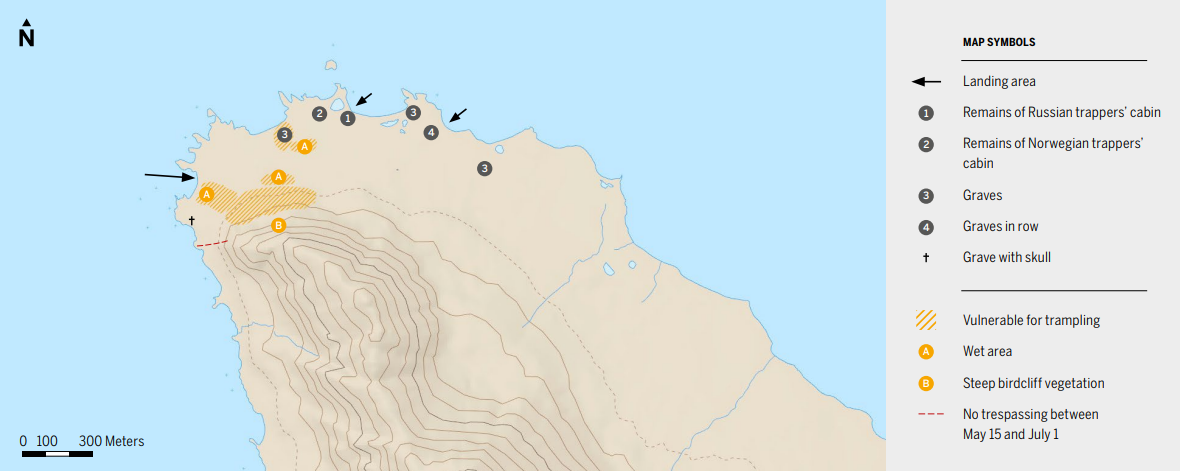
78°53.8’N 010°29.2’E
Vegetation
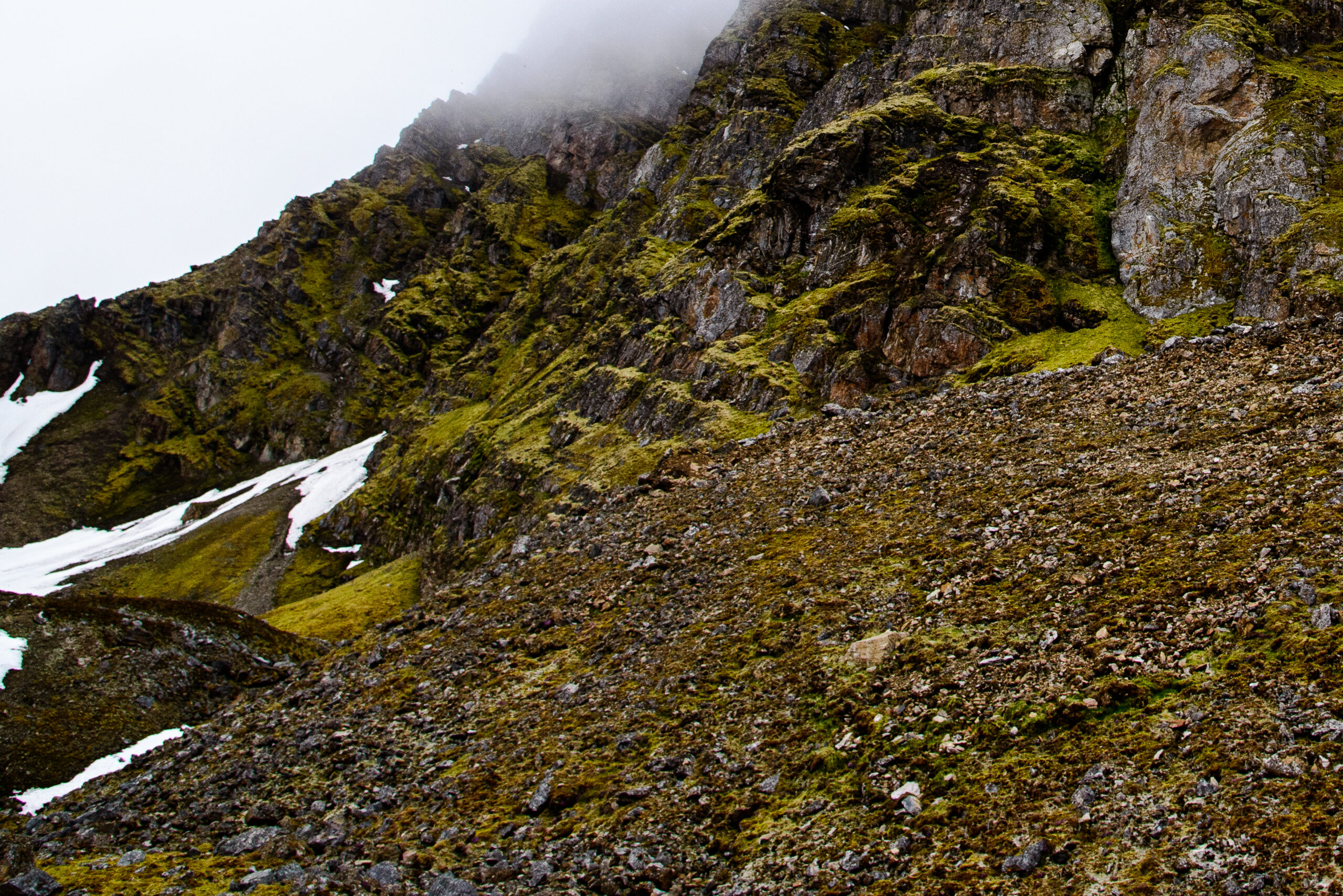
This site has a remarkable colorful and vigorous vegetation. Thick moss layers hang as a drapery in theslopes below the bird cliffs, and are vulnerable to trampling from reindeer and people. The flat areas have amosaic of colors from different species of mosses and a few herbs. At Fuglehuken massive layers of organic peat were formed through centuries, due to fertilization of vegetation below the bird-cliffs. Most flowering plants are very tiny and partly hidden in the moss carpet.
Fauna
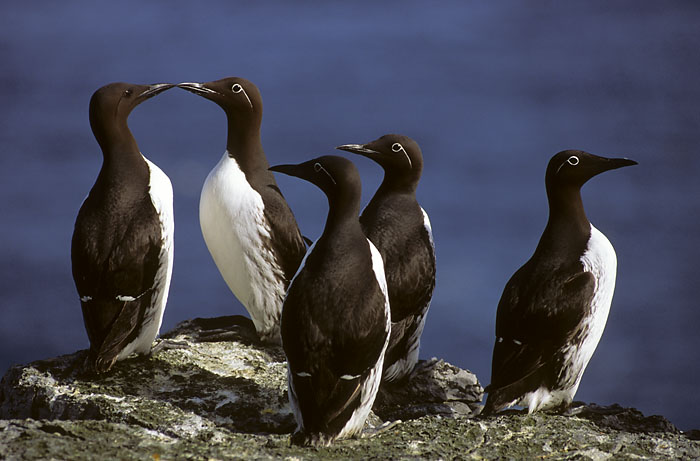
Fuglehuken has one of the largest and most diverse and numerous bird cliffs on the west of Spitsbergen, dominated by Brünnich’s guillemot and Black-legged kittiwake. It is one of the few places in Spitsbergen where Common guillemot breed, although in small numbers. Pink footed geese breed in the hill-side on the stoned glacier. The lowland is an important resting area for Brent geese spring migrating to Greenland. Arctic fox, reindeer and harbors seals are common.
Majestic Final Resting Place
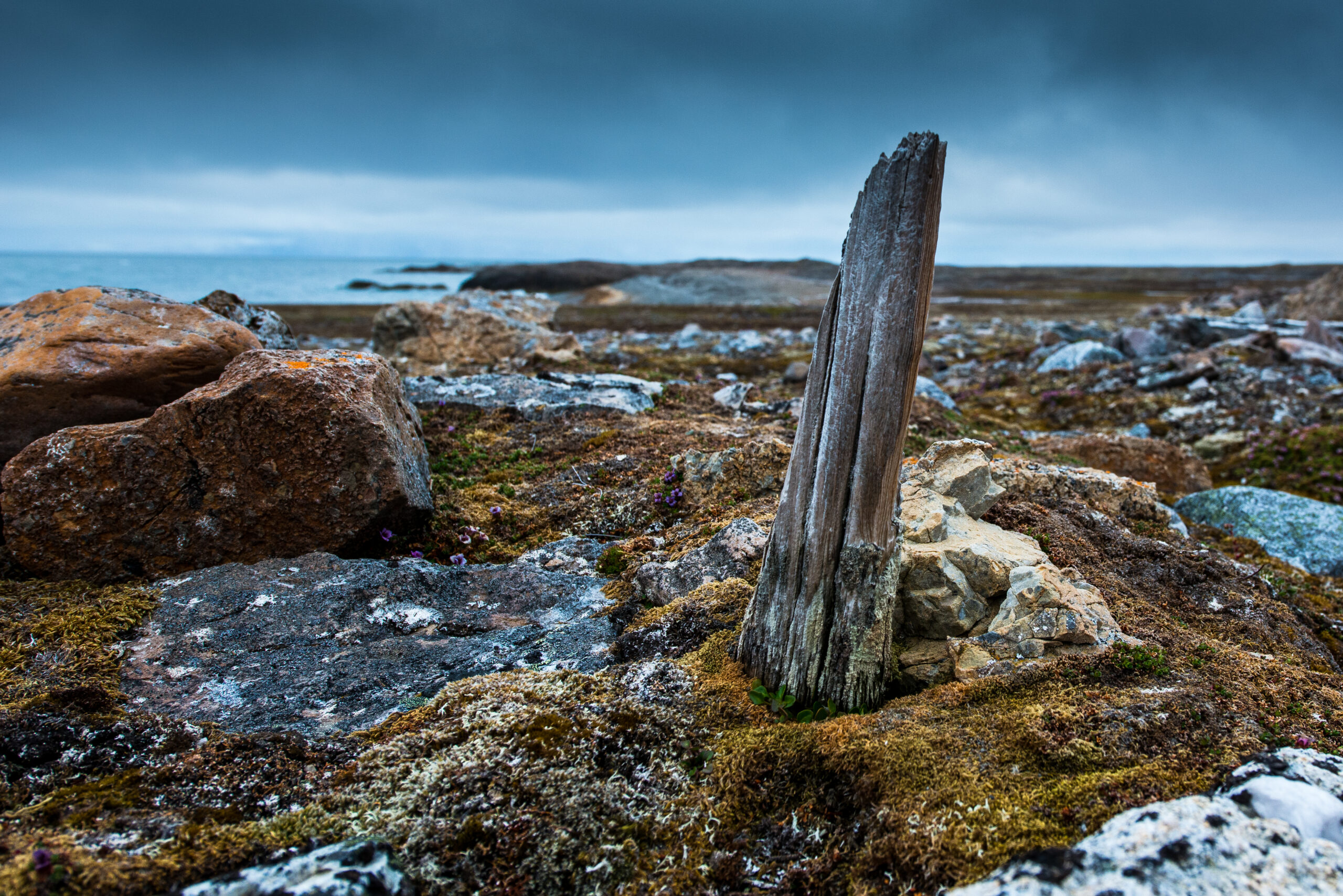
Fuglehuken boasts cultural remains from most of the historical periods of Svalbard. Burials from the whaling period scatter the coast. Some where laid to rest alone, some in pairs, and others in burial grounds. One of these include 45 graves placed in two rows on the ridge. A picturesque ruin from a small Norwegian trapper’s cabin is situated not far from the shore. So are the remains of the almost invisible Russian trapper’s cabin, and the very visible beacon light.
Guidelines
This site calls for special attention and considerations as there are several vulnerable qualities spread over a wider area. It is recommended to keep groupsize small and guided, especially in the hill sides and by the cultural remains.
- Always approach a new landing site slow and careful to avoid disturbance.
- Please walk on the dry ridges and try to avoid the wetlands.
- The vegetation in the slope is fragile, so be careful to avoid scrabble up the moss if walking in the hill.
- To avoid disturbance of ground nesting birds, visitors should not walk south of the point marked on the map, between May 15 and July 1.
- Keep distance to Fox dens. Please refer to Fox guidelines.
- Observe the remains of the graves and the trapper’s cabins from the perimeter and avoid trampling on, and in-between them.
- Do not pick up, re-arrange or remove any objects belonging to cultural remains.
- The polygonal ground behind the plain is muddy, partly very muddy. Walking in the area could cause visible footprints.
Tip
You can set out on a hike in a south-westerly direction along the easy-travelled shore ledge that eventually will take you to Richardlaguna, some 10 kilometers further south. Richardlaguna is a known haul-out for walrus. Please refer to Walrus guidelines. En-route there will be good chances of observing harbor seals. Please refer to Seal guidelines.
AECO’s Site-Specific Guidelines Are Reviewed by the Governor of Svalbard and Funded by