Isflakbukta
Nordaust-Svalbard Nature Reserve – Isflakbukta is Norwegian for “the ice floe bay”.
Last update: 04. November 2025
Together with six other islands, Phippsøya is the northernmost group of islands in Svalbard. Nothing lies between here and the top of the world. Many have been attracted by this outpost and some have left signs of their visits with their names added to the map. The largest of the Seven Islands is named after Constantine John Phipps, Friedrich Martens and Sir William Parry. Isflakbukta is located on Phippsøya.
Download PDF

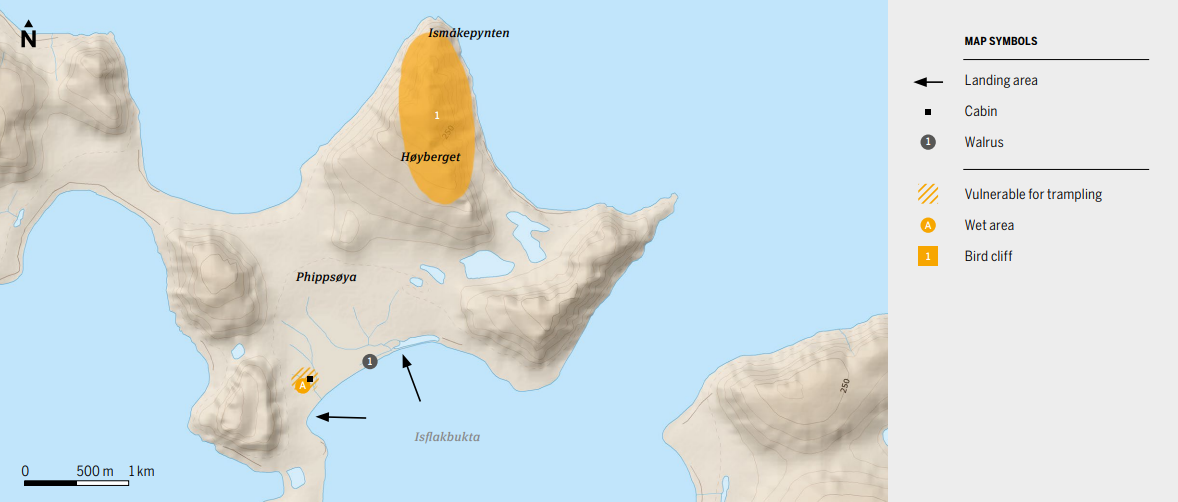
80°41,5’N 020°54,7’E
Vegetation
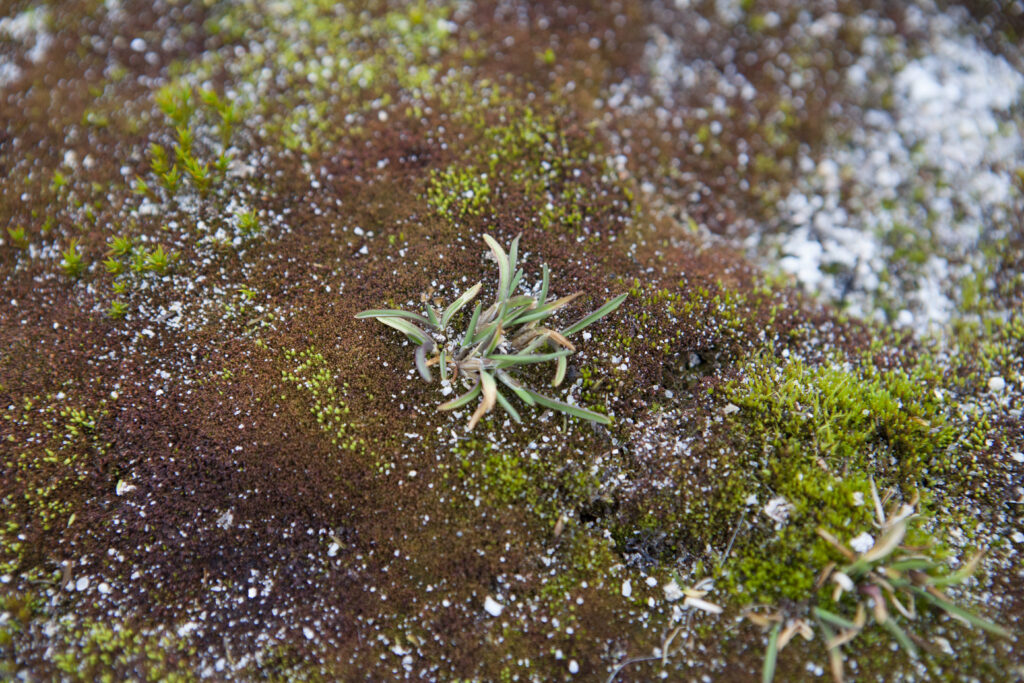
In Isflakbukta one grass species is quite frequent, the ice grass, and one of very few vascular plant species present. The ice grass is not very flashy, but get down on your knees and be fascinated by the fact that plants at all can survive and grow under these harsh conditions. The scientific name of the genus ice grass is Phippsia, like Phipps Island also named after Captain Constantine John Phipps, who was the leader of an English expedition that set out to reach the North Pole in 1773.
Fauna
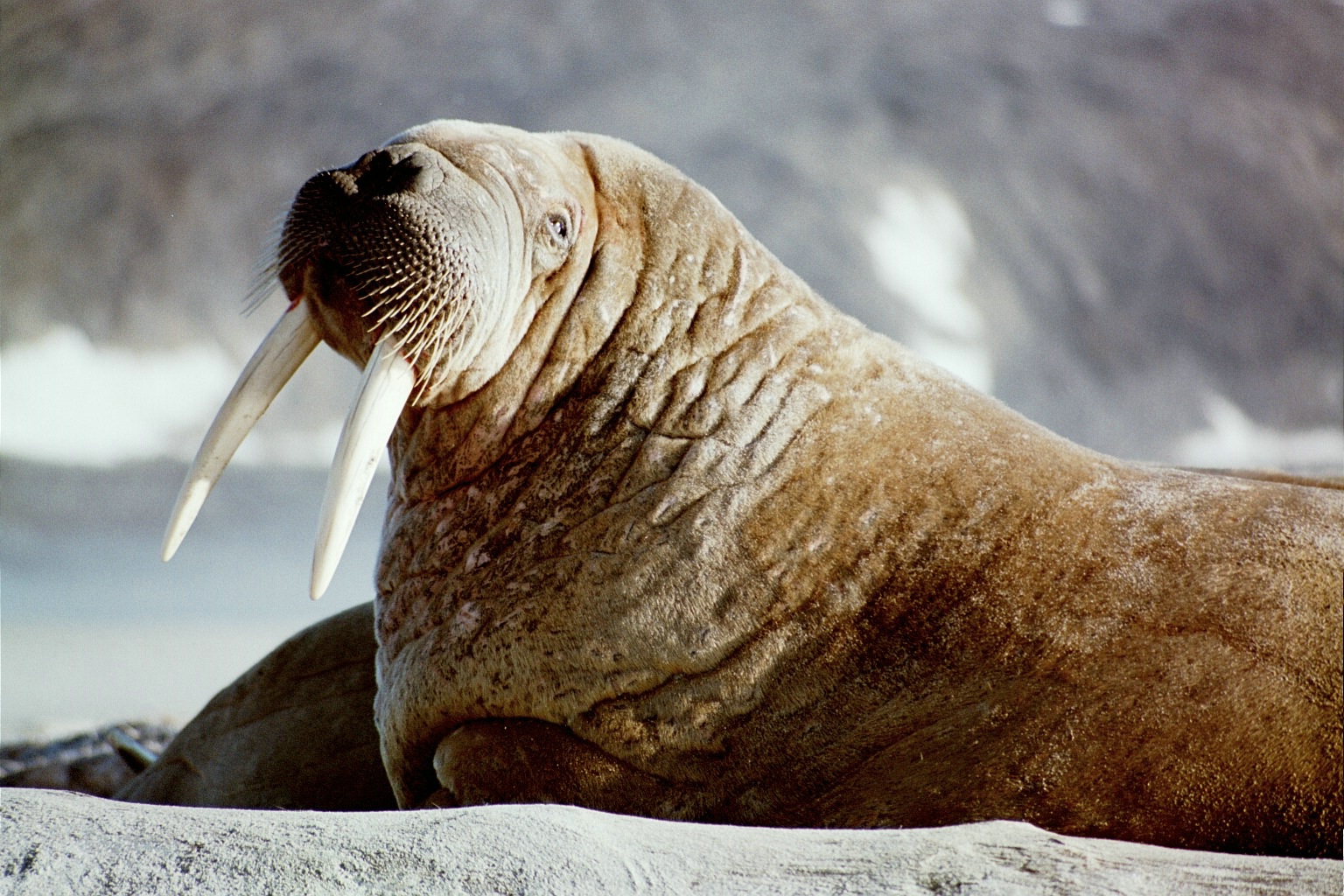
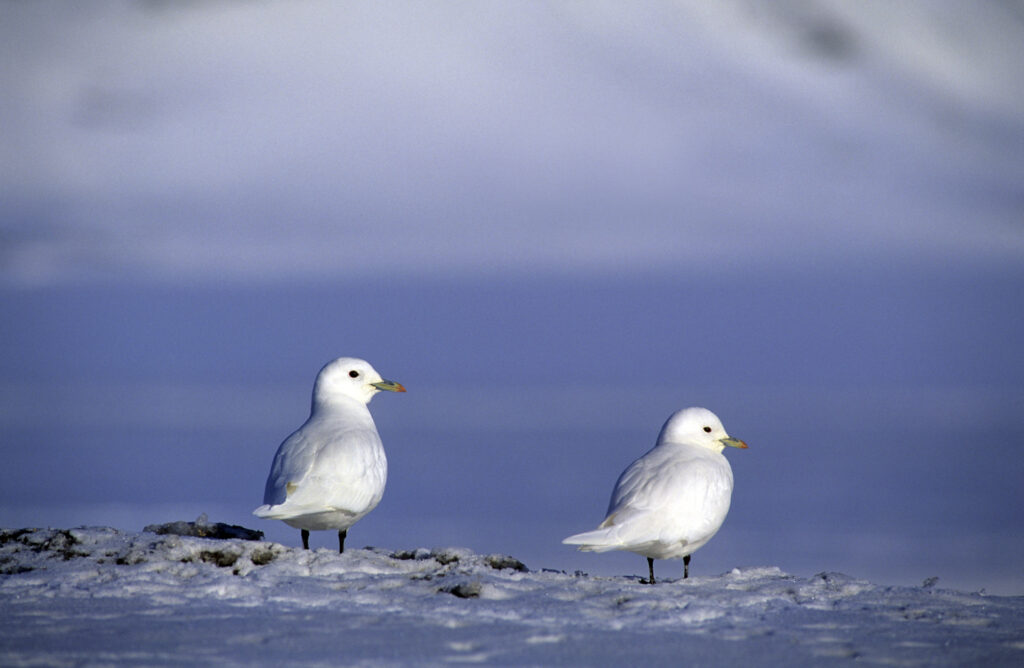
This area holds few species of birds. At least one pair of Arctic skua and a few pairs of Arctic tern breed close to the beach. In the steep cliffs at Høgberget, about 4 kilometer from the beach, black guillemot are numerous and a few pairs of ivory gull, kittiwake, glaucous gull and ivory gull also breed here. Quite a number of walrus rest on the beach. Polar bears are also common in the area
Cultural Remains
A cabin is situated next to the shore on the western side of the bay at Isflakbukta. The cabin was built during the expedition of the mining inspector Hans Merkcoll in 1936. It is one of several emergency cabins erected in the east of Svalbard that year to help travelers, hunters and trappers in need in this remote area of the Svalbard archipelago. The cabin is well-preserved and regularly inspected by the Governor`s office.
Guidelines
- This site is an important haul-out for walrus and visits must be conducted in accordance with general guidelines for walrus.
- Scattered walking will prevent tracks in the vegetation, so please do not walk on the same line. The moss vegetation next to the beach and in the wet areas has low tolerance to trampling.
- Please approach the beach calmly when landing to ensure that geese and eiders with young are able to retreat safely.
- You are welcome to visit the cabin unless it is occupied. Remember to close the door behind you when you leave.
Tip
Those who are fit enough may use the opportunity to do an excursion to Høgberget (400 metres high), north of Isflakbukta. From the top you can enjoy the nice view of Ismåkepynten below, as well as Svalbard’s northernmost island, Rossøya, to the northwest. Notice the many raised beaches on the northeastern side of the beach.
AECO’s Site-Specific Guidelines Are Reviewed by the Governor of Svalbard and Funded by