London
The Norwegians jokingly called the English camp “London”, and this name came into general use.
Last update: 30. June 2026
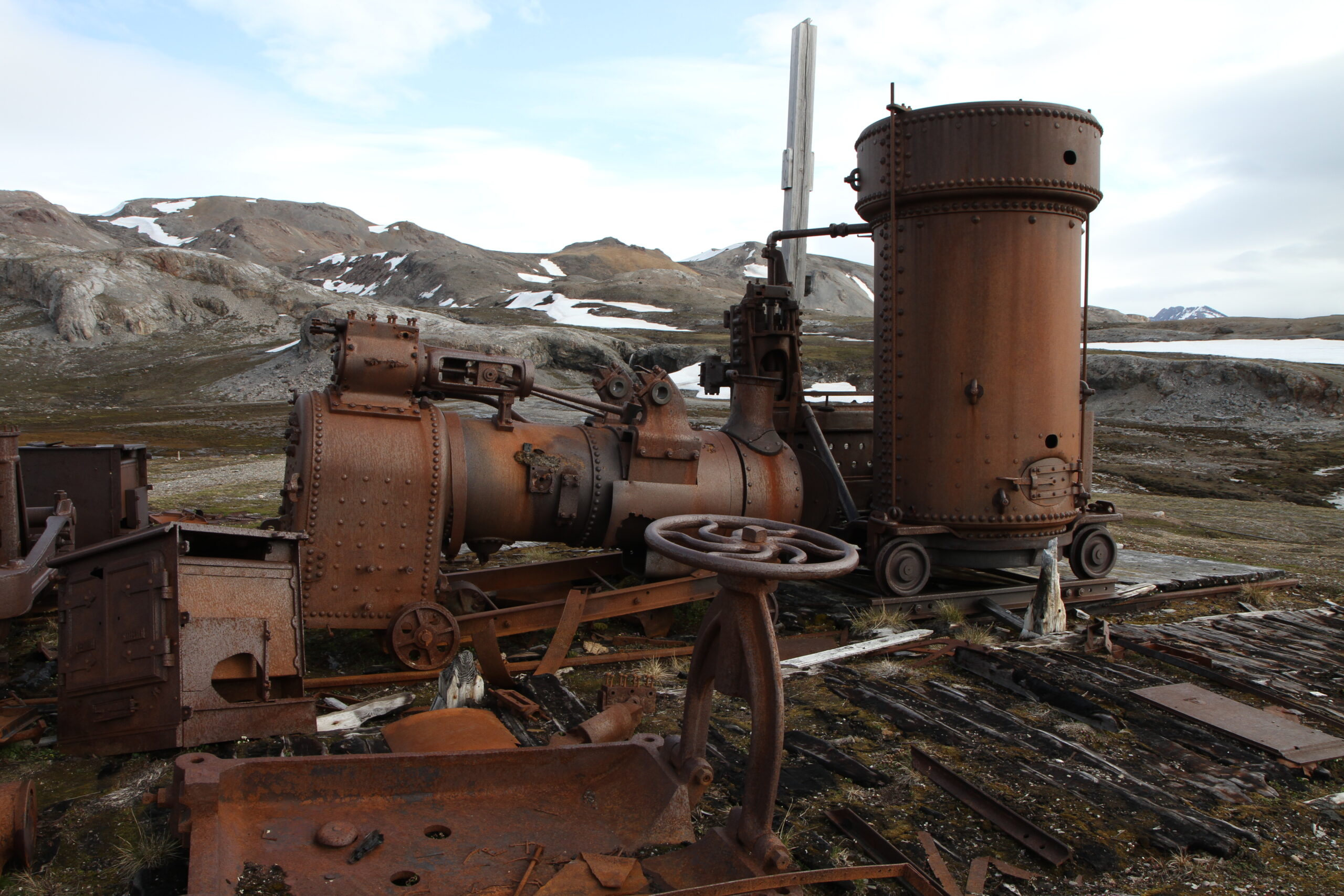
An enterprising and charming Englishman created a lot of enthusiasm when he claimed to have found an entire island of marble. Money was quickly in place and industrial equipment bought and shipped to Blomstrandhalvøya. The marble was beautiful while left in the ground, but during transportation it crumbled to pieces. The pipe dream was demolished.
Download PDF
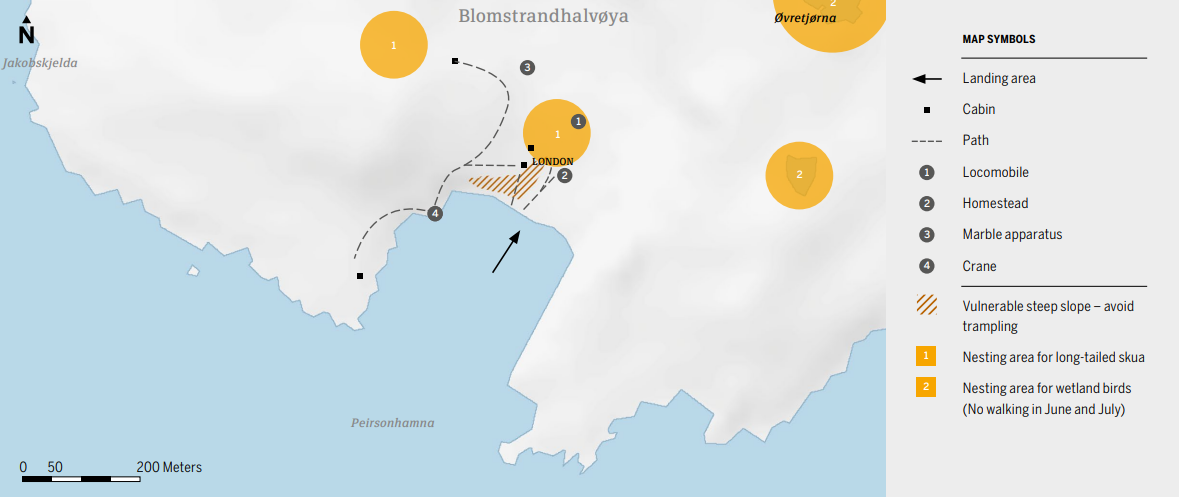
78°57.8’N 012°2.9’E
Vegetation
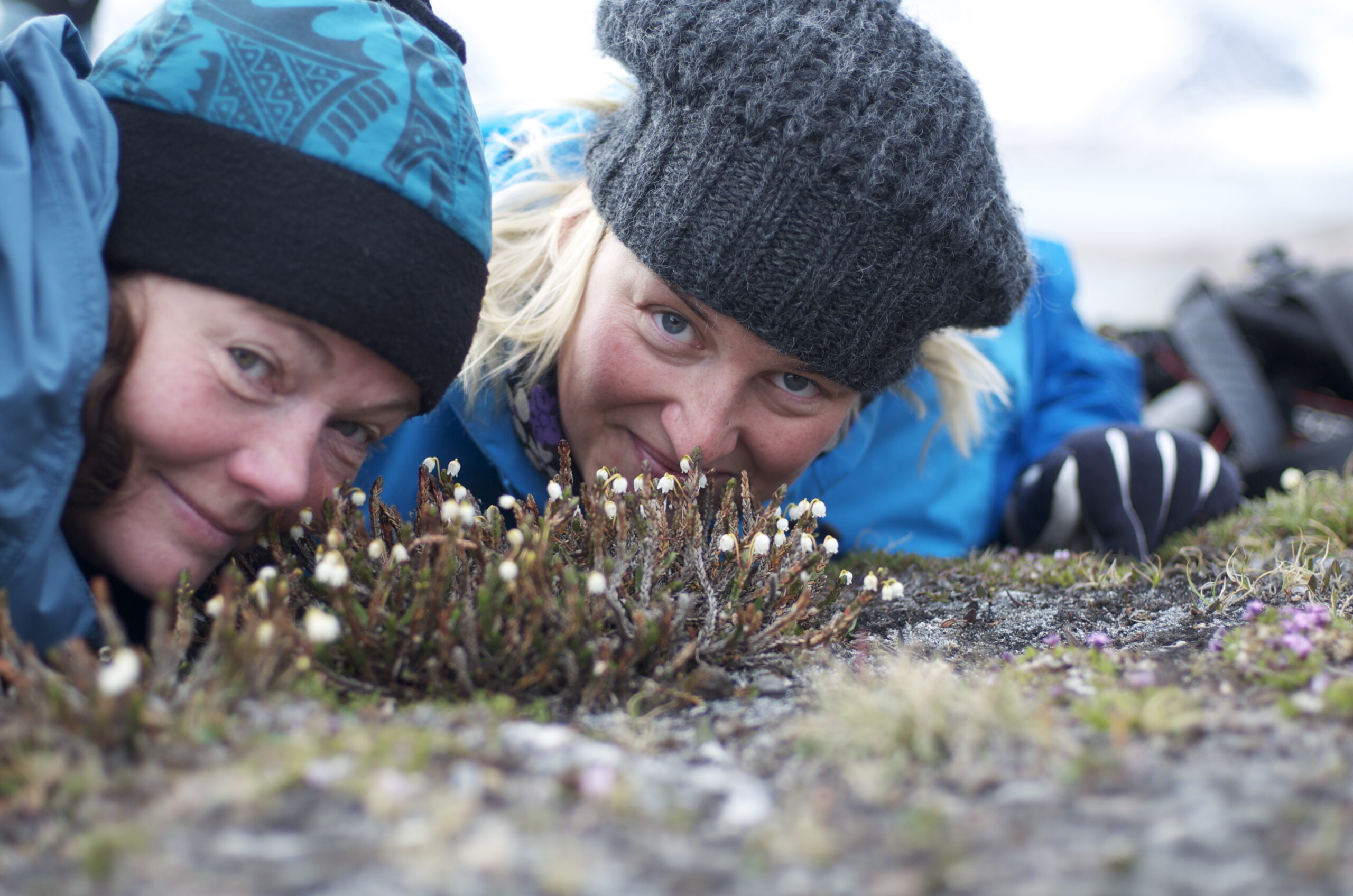
The vegetation at Blomstrandhalvøya and London illustrates how temperature, water and snow conditions create a mosaic of different plant communities. The white Arctic bell heather needs snow cover in the winter, and in Svalbard it is only found in the temperate inner fjord areas, as here at London. Go down on your knees and smell the beautiful scent. The mountain avens and Svalbard poppies use their parabolic flowers to catch
sunlight for ripening the seeds.
Fauna
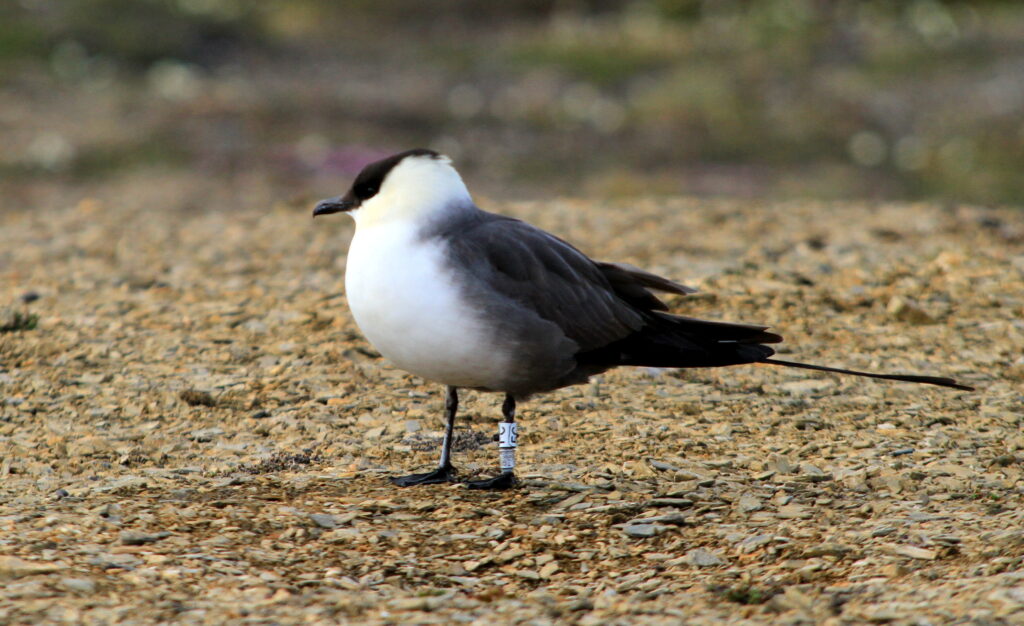
The long-tailed skua is rare in Svalbard, but a few pairs breed here as well as Arctic skua and Arctic tern. Several pairs of rock ptarmigan can often be found in the surrounding hills. It is easiest to catch sight of the male, which in summer is grey-white. Reindeer and Arctic fox are also common in the area.
Cultural Remains
London is inextricably attached to Ernest Mansfield and Northern Exploration Company Ltd, NEC. The marble deposits were discovered in 1906 and the adventure started in 1911, but the dream of an easy profit ended quickly, and the industrial town and all of the advanced technical equipment were left behind. Almost all houses were moved from London to Ny-Ålesund in the 1950s. Today London is still the place in Svalbard with the most preserved technical equipment dating from before World War I.
Guidelines
- Please use the existing paths up to the cabins. Do not use the brink as a crosscut. The fine-grained soil is easily eroded and very vulnerable to trampling.
- Use existing tracks whenever possible.
- Please keep distance to the breeding long-tailed skua. It will warn you by flying very close, possibly dive-bombing you and make anxious noises. Return in the direction you came from, until the bird has calmed down.
- Observe the house ruins and construction sites from a perimeter. Avoid trampling as the cultural remains are fragile.
- Small pieces of marble are also protected cultural remains as part of the heritage site. They are not to be removed.
- Please respect privacy if the cabins are occupied.
Tip
London is a great location for creative photography. The old buildings and constructions make excellent backdrops.
AECO’s site-specific guidelines are reviewed by the Governor of Svalbard and funded by Svalbard Environmental Protection Fund.