Kapp Lee – Dolerittneset
Originally Lee’s Foreland, this area forms the northwestern part of Edgeøya, south of Freemansundet.
Last update: 30. June 2026
The returned walrus resting at the beach, Stretehamna, may at first glance be the largest attraction by Kapp Lee and Dolerittneset. But the area offers much more. From early historical walrus slaughtering, cultural remains bring you through history up to present scientific projects, everything surrounded by a beautiful landscape.
Download PDF

78°04.9’N 020°48.6’E
Vegetation
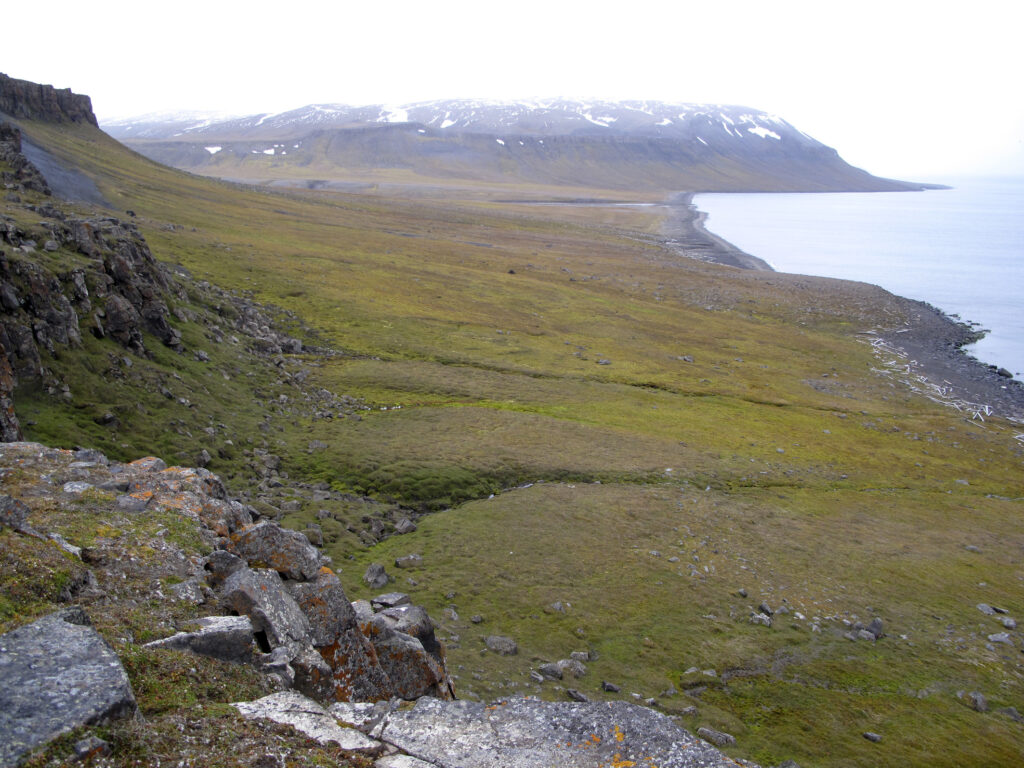
Edgeøya is really an oasis compared to the major parts of eastern Svalbard, with high productive vegetation types and high plant species diversity. From Kapp Lee and Dolerittneset it is possible to see a variation of the most typical Svalbard vegetation heath types, including mountain avens, twinleaf saxifrage, polar-willow and moss wetland. Next to the buildings and slaughtering place the vegetation has been heavily influenced by
human activity through centuries.
Fauna
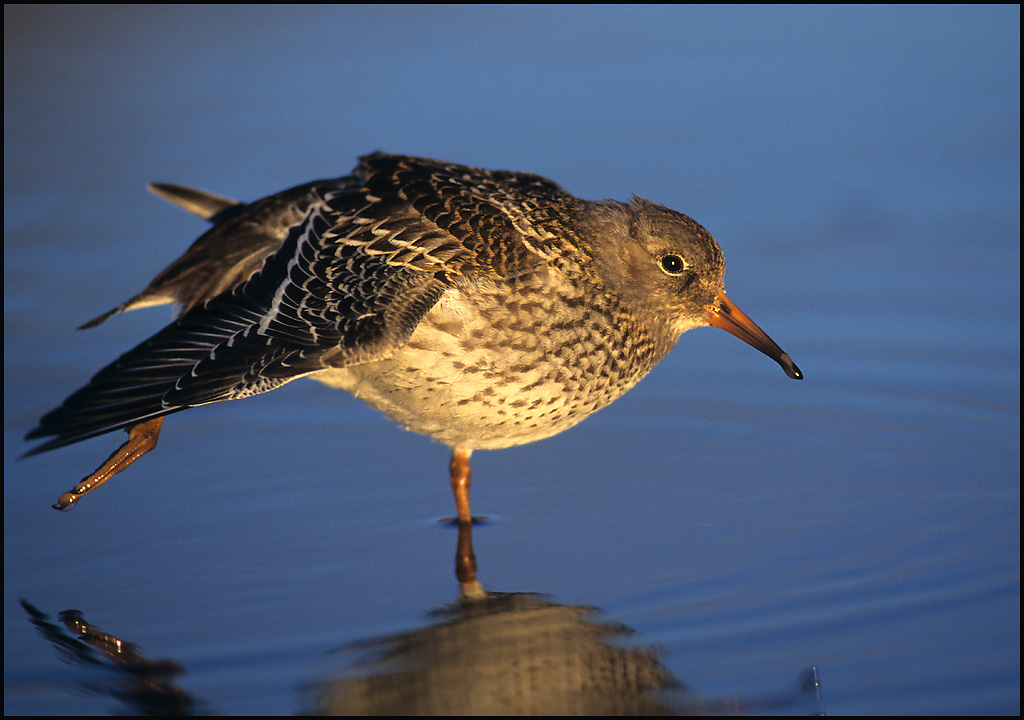
The site is an important area for birds and mammals. Common eider, purple sandpiper, Arctic skua and Arctic tern breed in the lower parts. The islet is an especially important breeding site for common eider and Arctic tern. In the cliffs and steep slopes close to the site pink-footed goose, glaucous gull, little auk, black-guillemot, snow bunting, and probably barnacle goose breed. It is a feeding area for reindeer and denning area for Arctic fox. The beach is a haul-out place for walrus.
Cultural Remains
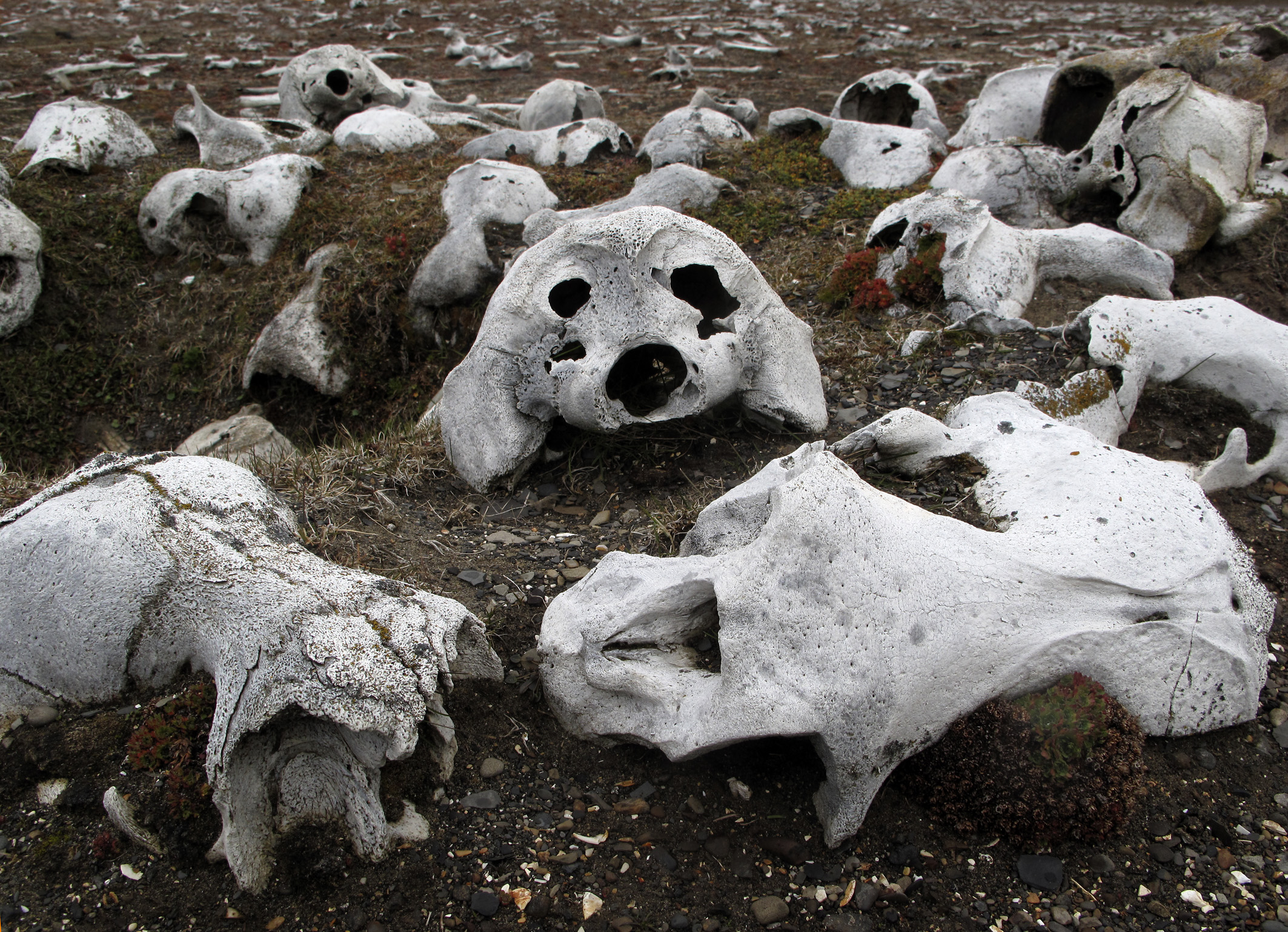
Kapp Lee holds one of Svalbard`s largest remaining historical slaughtering places for walrus. Numerous nose-chopped walrus skulls and bones from hunting done by the whalers and later Russian trappers scatter the entire beach. The octagonal cabin was for several decades used by Norwegian hunters and trappers. It was built in 1904 of prefabricated elements and was called Karosælen (the carousel). The two other cabins were used in connection with oil exploration in the 1960s. On the ridge above the present cabins lie the remains of a Russian Pomor hunting station. The station has been excavated.
Guidelines
- Walrus haul out on the beach and visits must be conducted in accordance with the guidelines for walrus.
- Approach the beach calmly when landing.
- Retreat if the Arctic skuas and Arctic terns attack, while carefully watching where you step to avoid trampling on eggs and chicks.
- If you walk towards the cliffs south of Dolerittneset, use the path marked on the map to avoid the wet areas and the risk of sinking in.
- Walk along the beach to observe the walrus slaughtering place. Watch from a perimeter and do not tramp on the remains.
- Watch the remains from the Russian overwintering trapping from a perimeter and do not tramp on them.
- You are welcome to visit the cabins if they’re not occupied, but please close the doors behind you when you leave.
Tip
This tip applies after July 20th to avoid disturbance of breeding birds. A one kilometer walk to the south will bring you to a dolerite-cliff with a scenic view. Beware of glaucous gulls that may attack during the breeding season. The surrounding area offers a number of possibilities for excursions, such as into Rosenbergdalen and to Leefjellet.
AECO’s site-specific guidelines are reviewed by the Governor of Svalbard and funded by Svalbard Environmental Protection Fund.