Environment
AECO is committed to expedition cruising that respects nature and culture and supports sustainable operations in the Arctic. Beyond this, AECO actively supports the green transition of the industry.
This work is carried out through shared standards, guidelines, tools and initiatives that help members reduce their environmental footprint.
Focus Areas
Pollution
Pollution in the Arctic comes from both local activity and global sources, with contaminants traveling long distances as well as being introduced through travel and operations in the region.
Responsible expedition operations therefore require careful attention to waste management, emission reduction, and how vessels interact with the marine environment. Through long‑term initiatives, support for research, and the implementation of shared guidelines, AECO promotes practices that help keep Arctic seas and coastlines clean.
Raising awareness of these issues helps operators make informed choices and contributes to the long‑term health of Arctic environments.
Climate Change and Emissions
AECO’s members recognize their role in contributing to climate change and are committed to reducing their greenhouse gas emissions. In 2022, they agreed to develop a climate strategy, and in 2024, they voted to commit to tracking and reducing their GHG emissions. AECO provides operators with guidance on how they can work towards this reduction.
Underwater Noise
Wastewater
AECO’s members participate in studies aimed at improving the understanding of how wastewater—including scrubber wash water, greywater, and sewage—is managed on vessels operating in the Arctic.
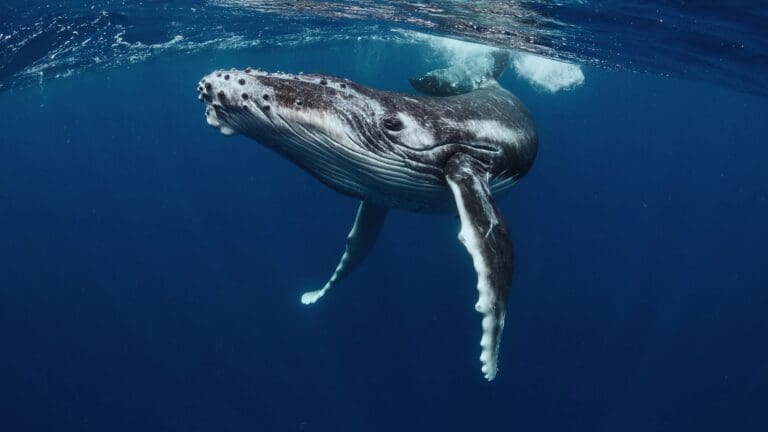
Shipping activities raise concerns regarding the impact of underwater noise on marine wildlife, which play a crucial role in Arctic ecosystems and Inuit subsistence. AECO actively engages in projects and initiatives aimed at collecting data on the underwater noise produced by ships and its effects on marine life.
in October 2025 AECO’s members decided to make underwater noise a new environmental focus area.
Beach Cleanups
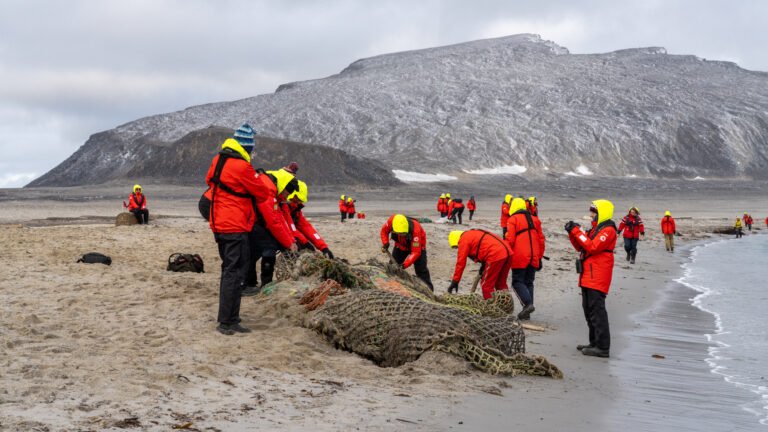
For over 20 years, AECO’s members have actively engaged in Arctic cleanup initiatives, witnessing an increasing growth of garbage washing ashore on the region’s beaches. AECO members have been part of Clean Up Svalbard since the project began and launched Clean Up Iceland in 2023.
Reducing Single-Use Plastic
In 2018, AECO strengthened the efforts to combat marine plastic pollution by launching the Clean Seas project. Through this initiative, members have significantly reduced the use of single-use plastics on their vessels.
AECO also focuses on educating passengers and staff about how to prevent plastic pollution.
Nature and Wildlife
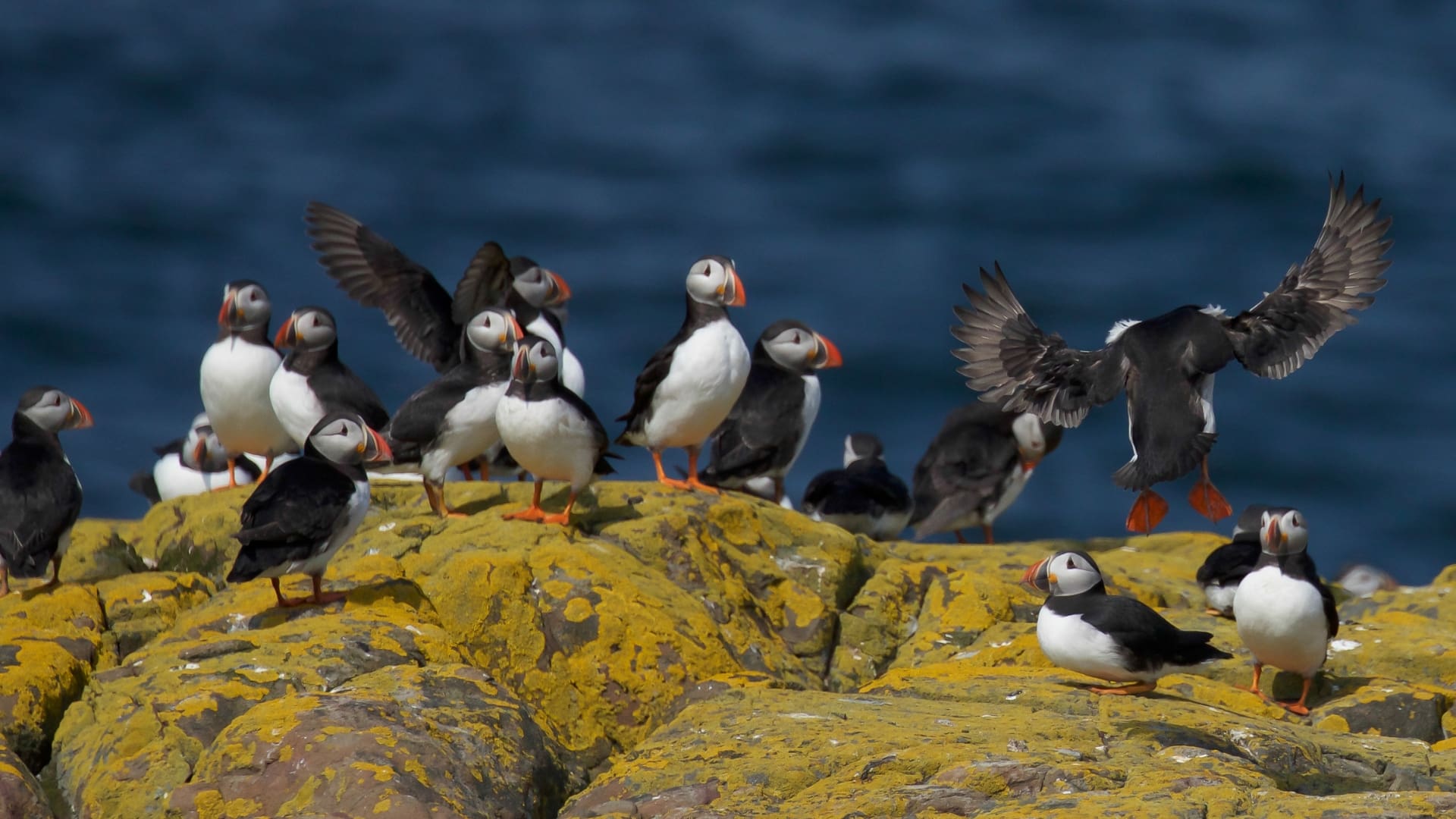
The Arctic’s natural environments are shaped by extreme conditions and support wildlife that is highly sensitive to disturbance and disease. These ecosystems recover slowly, making nature conservation and the protection of healthy wildlife populations especially important.
Following established wildlife guidelines, maintaining good biosecurity, and staying informed about current risks—such as avian influenza—help reduce the spread of disease and support the long‑term health of Arctic ecosystems.
Biosecurity
AECO has established biosecurity guidelines to prevent the introduction of alien species in the Arctic. AECO has also contributed to the NINA project focused on Arctic biosecurity by participating in the development of the Stop Arctic Aliens information video. This video is designed to raise awareness among travelers and stakeholders about the risks and prevention of invasive species in the Arctic. The video is accessible with subtitles in 10 languages, making it widely understandable and useful for an international audience.
Avian Influenza
The highly pathogenic avian influenza (HPAI) virus was first detected in Europe in the fall of 2020. AECO provides its members with information about the virus, including how to identify HPAI in birds and mammals, regional guidelines for minimizing its spread, and procedures for reporting observations.
AECO Projects
Through AECO‑led projects and selected initiatives supported by our members, we turn shared priorities—such as environmental care, community engagement, safety, and knowledge‑building—into practical action, collaboration, and learning.


Supported Projects




Related News
Last update: 19. March 2026