Clean Seas
Reducing plastic pollution
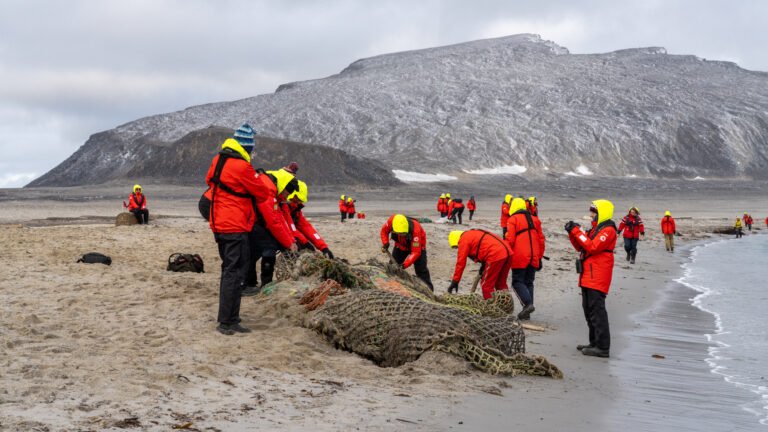
AECO is Combating Marine Plastic Pollution
Reduction of Plastic Pollution
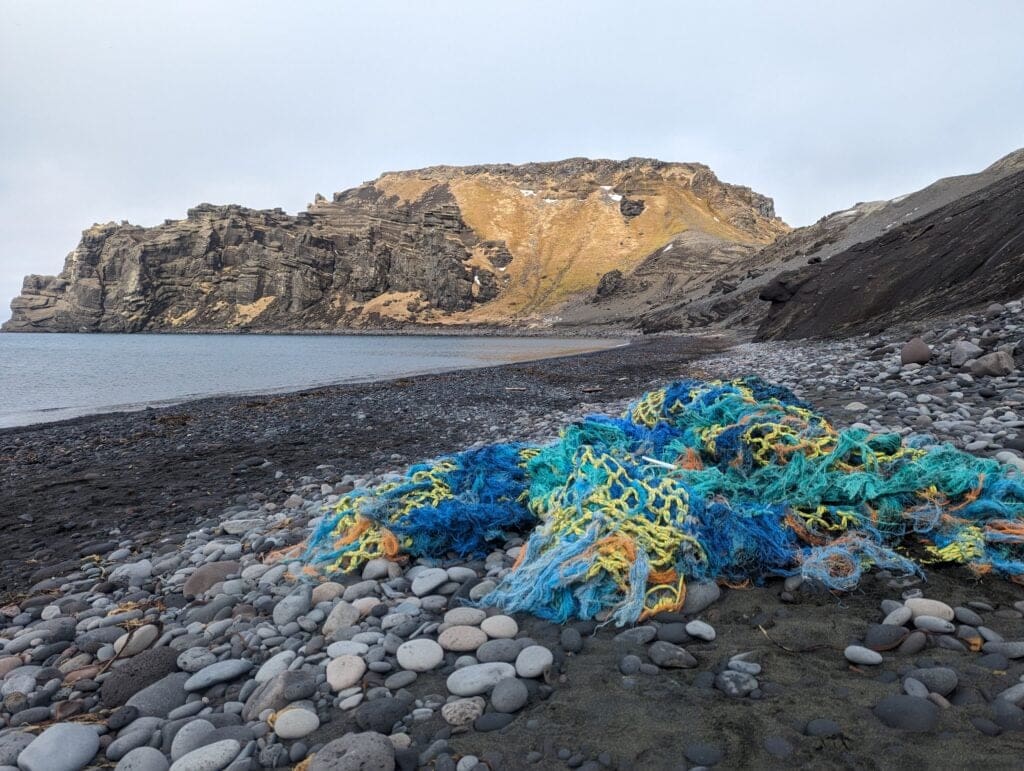
Marine litter found along Arctic coastlines often originates far beyond the region itself, transported northward by ocean currents and drifting sea ice. Once deposited on remote shores, marine litter can persist for decades due to limited natural degradation and limited cleanup capacity.
To support global efforts to prevent and reduce marine litter, AECO signed a Memorandum of Understanding with the United Nations Environment Programme (UNEP) in 2018 and launched the Clean Seas initiative. Through Clean Seas, AECO coordinates industry‑wide efforts to address marine litter and plastic pollution associated with expedition cruise tourism.
A Collaborative Approach
Clean Seas brings together a wide range of stakeholders across sectors and regions. The initiative engages AECO’s operationg members, operating approximately 50 vessels, alongside local port authorities and municipalities in Svalbard and Iceland, scientific institutions, environmental organizations, and Arctic communities.
Public–private collaboration is central to the program. Clean Seas works in cooperation with government bodies such as the Governor of Svalbard and the Environmental Agency of Iceland, tourism organizations including Visit Svalbard and the Svalbard Cruise Forum, environmental NGOs, local waste‑management facilities, and other tourism stakeholders. This cross‑sector approach helps ensure that cleanup actions are coordinated, permitted, and aligned with local priorities.
Cleanup Efforts Across the Arctic
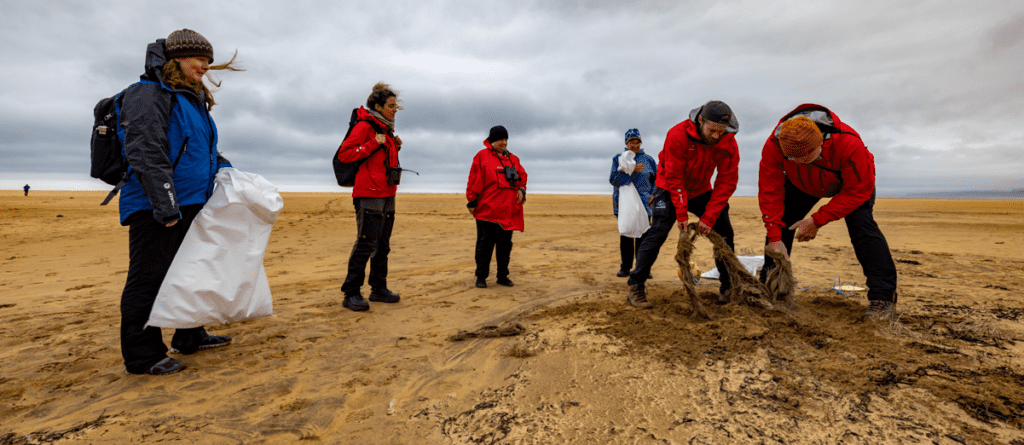
Clean Seas integrates organized cleanups in Svalbard and Iceland. In addition, AECO supports broader environmental actions, including WWF’s Arctic Cleanup and Ocean Conservancy, that contribute to reducing marine litter in polar regions.
Through Clean Seas, member beach cleanups have been expanded, coordinated, and standardized to strengthen both environmental impact and scientific value. In recognition of this long-term commitment, AECO received the Energy Globe World Award for Sustainability in 2020.

Community Engagement and Knowledge Sharing
Local communities play an important role in Clean Seas, and cleanups are coordinated with local authorities and landowners in Iceland and Svalbard, informed by local knowledge in site selection, and carried out in collaboration with regional environmental groups. Where possible, opportunities are created for local participation in cleanup efforts.
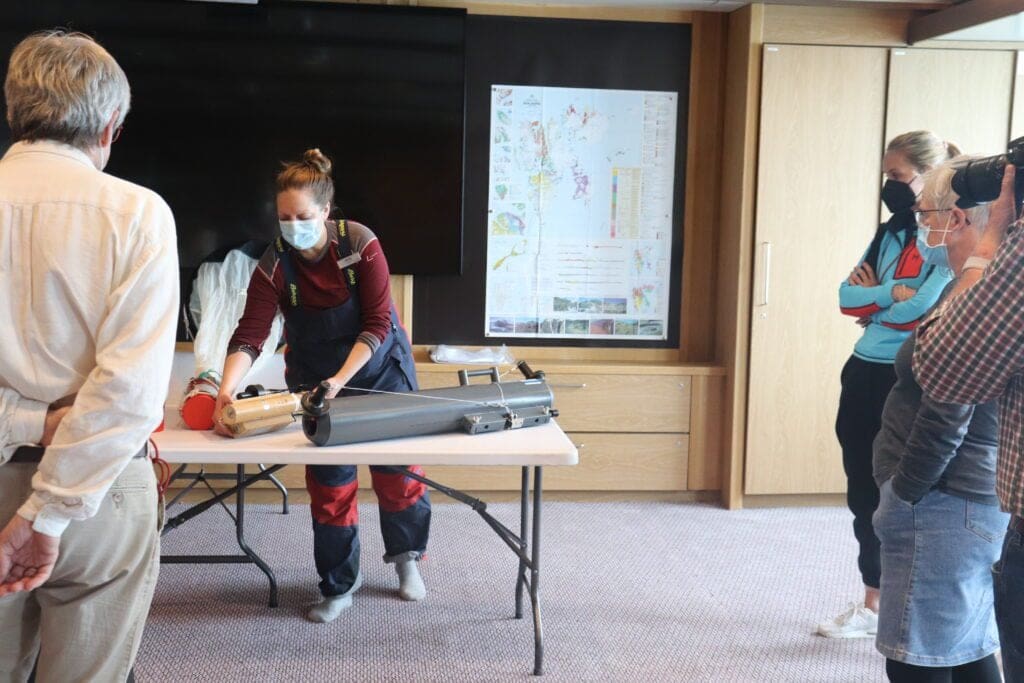
Knowledge exchange is another key element of the program. Clean Seas supports the development of educational materials for expedition staff, crew, and passengers, and raises public awareness through videos, webinars, conference presentations, and online resources. Over the years, Clean Seas has been presented at numerous international forums, including, Arctic Council‑related workshops, industry conferences, and scientific gatherings, helping to share best practices and lessons learned across sectors.
Beyond Cleanup
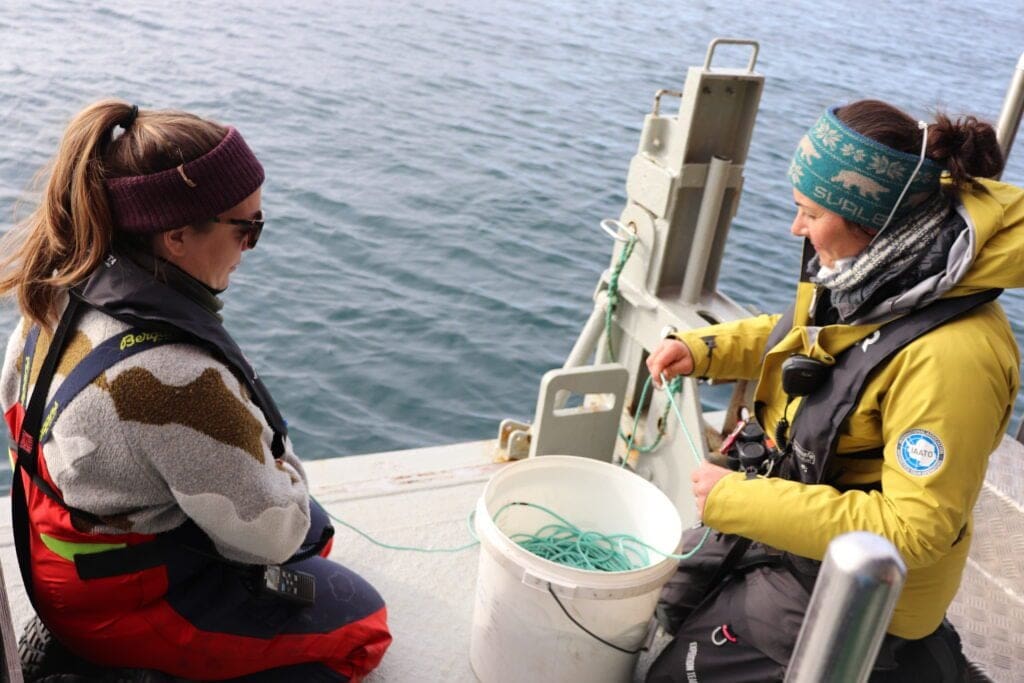
Clean Seas extends beyond cleanup actions alone. AECO members actively work to reduce single‑use plastics onboard their vessels, following AECO guidelines and recommendations, and place strong emphasis on education and awareness. Information and materials are shared with passengers and staff on every AECO vessel, supporting responsible behavior and long‑term reductions in plastic pollution.
Reporting
AECO operators report their cleanups through the Cruise Database. This reporting turns local action into measurable data that can inform evidence‑based policy and government decisions.
Marine Litter Toolkit for Guides
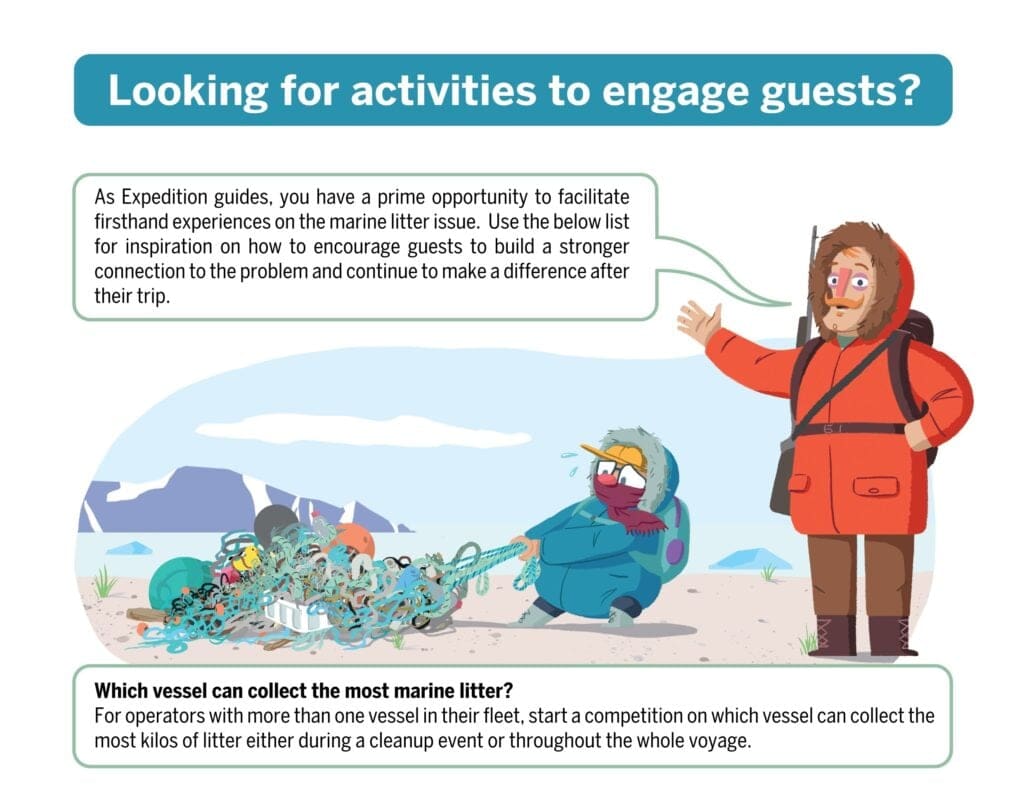
AECO’s Work in Support of IMO Goals
In 2025, the IMO launched the 2025 Action Plan to Address Marine Plastic Litter from Ships. This plan consolidates work under MARPOLs international regulation aimed at preventing pollution from ships, with a prohibition against discharging plastics into the sea. It introduces measures to strengthen waste‑management systems, improve port reception facilities, enhance crew training, and increase public awareness.
In 2026, the IMO announced a consolidated strategy to achieve zero plastic pollution from ships by 2030.
These developments align closely with AECO’s members’ efforts, which already support several of the IMO’s priorities.
Clean Seas is Co-Funded by

Related Content

Last update: 30. June 2026